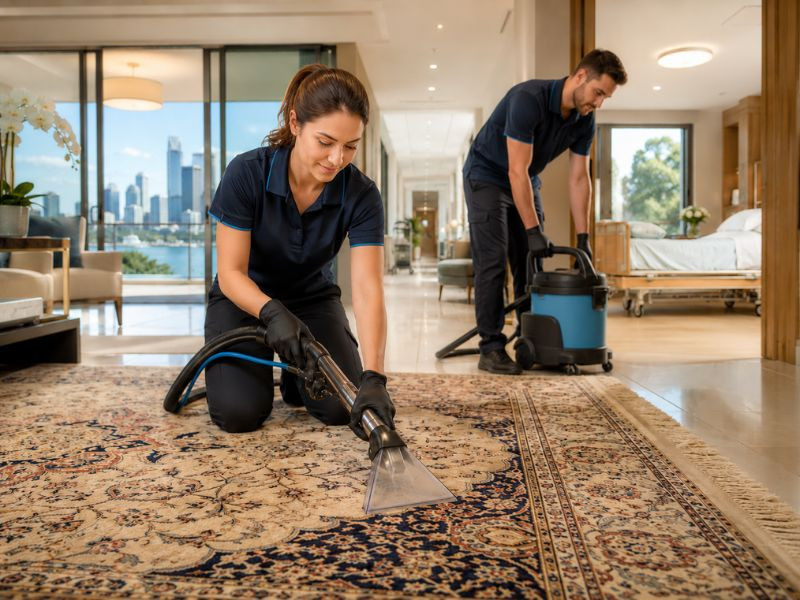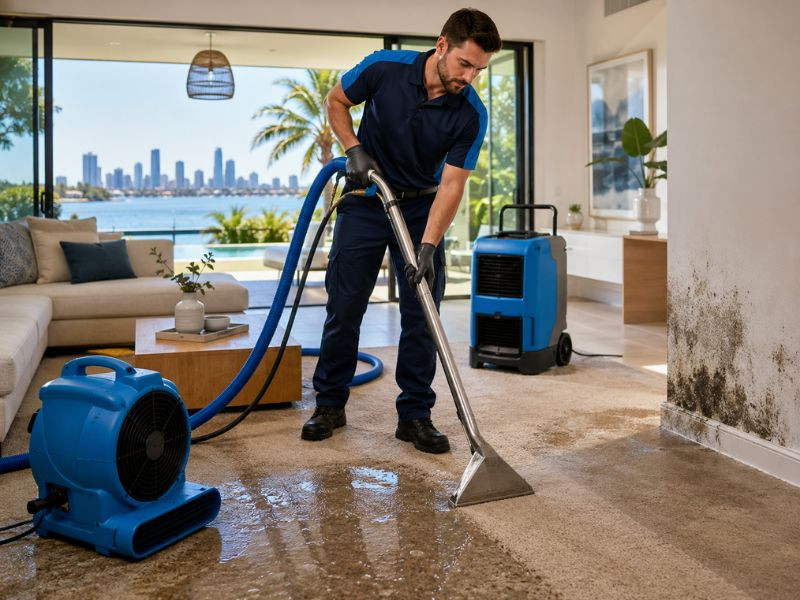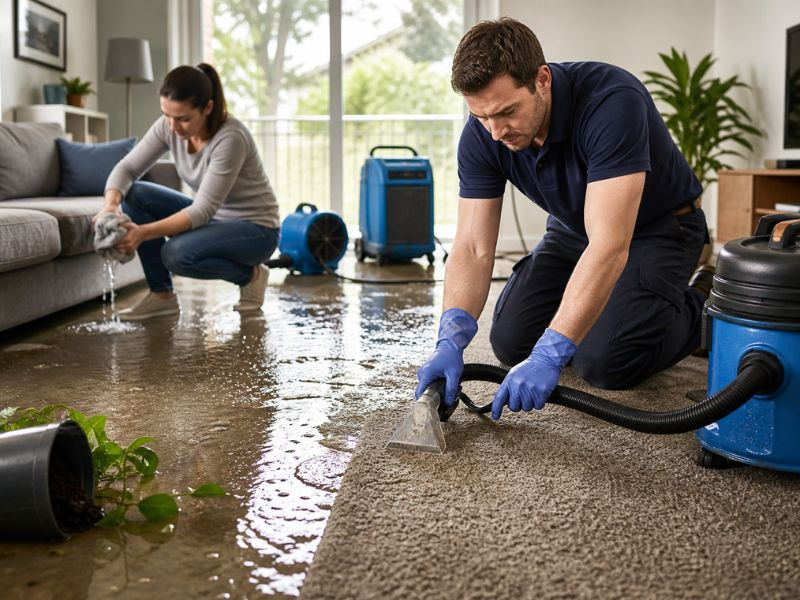
Dealing with a water damaged carpet can be stressful, especially when your carpet flooded without warning due to rain, leaks, or accidents. Beyond looking bad, a water damaged carpet can quickly become a hygiene issue if it’s not handled straight away. Acting fast when your carpet is flooded helps prevent further damage and costly problems.
Knowing what to do in a water damage carpet situation makes a big difference. Whether your carpet flooded lightly or was heavily soaked, the right steps can save time, money, and hassle. Perth Local Carpet Cleaning often helps restore carpets affected by water damaged carpet, bringing even severely carpet flooded areas back to life.
See below the topics that will be covered in this blog post about “What to Do When Your Carpet Gets Flooded (Emergency Guide)”:
- What should you do immediately when your carpet is flooded?
- How do you handle water damaged carpet in an emergency situation?
- Can a carpet be saved after flooding, or does it need to be replaced?
- How long does it take for water damaged carpet to develop mold?
- Can you clean water damaged carpet yourself, or should you hire professionals?
- What is the best method to sanitise a carpet flooded with contaminated water?
- Conclusion
Before diving deeper, continue reading this guide on “What to Do When Your Carpet Gets Flooded (Emergency Guide)” to fully understand how to manage a water damaged carpet and recover from a carpet flooded situation effectively.
What Should You Do Immediately When Your Carpet Is Flooded?
When your carpet is suddenly flooded, the key is to act quickly before the damage sets in. Water can seep deep into the fibres and underlay, turning a small issue into a much bigger problem if it’s left too long. Taking a few immediate steps can help limit the impact and make recovery much easier.
Start by stopping the source of the water, whether it’s a leak, burst pipe, or overflow. From there, focus on removing as much moisture as possible and creating the right conditions for drying.
- Shut off the water source to prevent further soaking
- Extract excess water using towels, mops, or a wet vacuum
- Clear the area by moving furniture and belongings off the wet carpet
- Improve airflow with open windows, fans, or a dehumidifier
- Avoid walking on the carpet to stop water from spreading deeper
Even with quick action, some situations need professional attention. If the carpet is heavily soaked or has been wet for a while, bringing in specialists can help ensure it’s properly dried and treated, reducing the risk of lasting damage.
How Do You Handle Water Damage Carpet in an Emergency Situation?
Handling a water-damaged carpet in an emergency comes down to acting quickly and doing more than just surface drying. Water can soak deep into the carpet and underlay, so if it’s not dealt with properly, it can lead to smells, mould, and ongoing damage.
Once you’ve stopped the source of the water, the goal is to remove as much moisture as possible and create the right conditions for thorough drying.
- Shut off the water source to prevent further soaking
- Remove as much water as you can using a wet vacuum or absorbent materials
- Lift parts of the carpet if possible to help air circulate underneath
- Use fans and a dehumidifier to speed up drying
- Keep the space well ventilated to reduce moisture in the air
It’s also important to think about the type of water involved. Clean water is easier to manage, but contaminated water needs proper sanitising and extra care.
If the carpet is heavily soaked or has been wet for a while, professional help is often the safest option. Proper equipment can reach deep moisture that household tools can’t, helping to avoid bigger problems later on.
Can a Carpet Be Saved After Flooding, or Does It Need to Be Replaced?
Whether a carpet can be saved after flooding depends on how bad the situation is and how quickly it’s handled. In some cases, a quick response can make all the difference, while in others, replacement may be the safer choice.
If the water is clean and the carpet is dried promptly, there’s a good chance it can be restored without long-term issues. The sooner the drying process begins, the better the outcome tends to be.
- Clean water exposure gives you a better chance of saving the carpet
- Fast action helps prevent deeper damage and mould growth
- Light to moderate soaking is usually easier to recover from
However, not all flooded carpets can be rescued. When the damage is more severe or the water is contaminated, replacement is often the more practical option.
- Dirty or contaminated water can make the carpet unsafe
- Prolonged dampness increases the risk of mould and odours
- Visible damage or persistent smells may point to deeper issues
In many situations, it’s hard to tell the full extent of the damage just by looking. Getting a proper assessment can help you decide whether restoring the carpet is worthwhile or if replacing it will be the better long-term solution.
How Long Does It Take for Water Damage Carpet to Develop Mould?
Mould can start forming in a damp carpet sooner than most people realise—often within just 24 to 48 hours. When moisture sits in the fibres and underlay, it creates the right conditions for growth, especially if the area isn’t dried properly.
How quickly this happens depends on the environment and how long the carpet stays wet. Warm, humid spaces and poor airflow tend to speed things up, while proper drying can slow or prevent the issue altogether.
- How long the carpet stays damp plays a major role in mould development
- Limited airflow makes it harder for moisture to escape
- High humidity keeps the carpet from drying fully
- Thicker materials can trap moisture deeper for longer
The tricky part is that mould doesn’t always show up straight away—it can develop underneath the surface. That’s why acting quickly is so important. Getting the carpet properly dried early on gives you the best chance of avoiding more serious problems later.
Can You Clean Water Damage Carpet Yourself, or Should You Hire Professionals?
Whether you can clean a water-damaged carpet yourself depends on how serious the situation is. For small spills or minor leaks, acting quickly at home can often be enough. But when water has soaked deep into the carpet and underlay, it becomes much harder to deal with properly.
In lighter cases, the focus is on removing moisture as quickly as possible and keeping the area well ventilated to prevent further issues.
- Absorb and extract water early using towels or a wet vacuum
- Increase airflow with fans and open windows
- Use a dehumidifier to help dry the space
- Address damp areas quickly to avoid lingering smells
However, if the carpet is heavily soaked or has been wet for a while, home methods usually aren’t enough. Moisture can remain trapped below the surface, leading to mould and long-term damage.
- Deep saturation makes proper drying difficult without specialised equipment
- Hidden moisture can cause problems even if the carpet feels dry
- Contaminated water requires thorough cleaning and sanitising
In these situations, bringing in professionals is often the safer choice. They have the right tools to remove deep moisture and ensure the carpet is properly cleaned and dried, reducing the risk of ongoing issues.
What Is the Best Method to Sanitise a Carpet Flooded with Contaminated Water?
When a carpet has been soaked with contaminated water, cleaning it properly is about more than just appearance—it’s about making the space safe again. Bacteria and pollutants can settle deep into the fibres and underlay, so a surface clean won’t be enough.
The process needs to focus on removing contamination, disinfecting thoroughly, and ensuring everything is completely dry.
- Extract as much water as possible first to stop the spread of contamination
- Use appropriate cleaning solutions to break down bacteria and residues
- Deep clean the carpet with methods that reach into the fibres and underlay
- Apply disinfectants to reduce health risks
- Dry the area thoroughly to prevent further issues like mould
In more serious situations, especially when the water is heavily contaminated, cleaning may not be enough and replacement could be the safer option.
Because of the potential health risks, professional treatment is often the best approach. With the right equipment and products, it’s possible to properly sanitise the carpet and reduce the chance of ongoing problems.
Conclusion
Perth Local Carpet Cleaning takes pride in delivering this content to you! In this blog post, you’ve read everything you need to know about “What to Do When Your Carpet Gets Flooded (Emergency Guide)”. We covered: What should you do immediately when your carpet is flooded? How do you handle water damaged carpet in an emergency situation? Can a carpet be saved after flooding, or does it need to be replaced? How long does it take for water damaged carpet to develop mould? Can you clean water damaged carpet yourself, or should you hire professionals? What is the best method to sanitise a carpet flooded with contaminated water? Keep following the Perth Local Carpet Cleaning blog for more tips and updates.
Content developed by Perth Local Carpet Cleaning.
If you’re dealing with a water damaged carpet or a serious carpet flooded situation, don’t take risks. Perth Local Carpet Cleaning offers expert solutions using advanced truck-mounted technology to restore your water damage carpet quickly and effectively. Whether your carpet flooded at home or in a commercial space, our team is ready to help. Contact Perth Local Carpet Cleaning today and restore your carpets to their best condition.